

date:
10.2023.30Unlocking Ancient Wisdom for Modern Aches: Your Guide to "Qing Cao Gao" & "Hei Gao"

If you're among the millions of Americans over 40 experiencing persistent body pain – whether it's a nagging lower back, stiff joints, or sore muscles after a long day – you're likely searching for effective, natural solutions. While Western medicine offers many options, a time-honored approach from Traditional Chinese Medicine (TCM) might be exactly what you need. Enter "Qing Cao Gao" (Green Herb Balm) and "Hei Gao" (Black Ointment) – ancient herbal remedies gaining renewed interest for their remarkable ability to soothe discomfort.
These traditional balms are not new; their history stretches back thousands of years in China, where they've been staples for addressing various skin issues and musculoskeletal pain. Understanding their rich heritage is key to appreciating their potential in your modern health regimen.
The Enduring Legacy of Traditional Chinese Medicine
"Qing Cao Gao" and "Hei Gao" are integral parts of the vast and profound system of Traditional Chinese Medicine. With over 3,000 years of practice, TCM is a holistic healthcare approach that includes herbal remedies, acupuncture, dietary therapy, and other natural techniques. At its core, TCM believes that optimal health stems from the balanced flow of "Qi" (pronounced "chee," your vital life force) and the harmonious interplay of "Yin" and "Yang" within the body. When this balance is disrupted, pain and illness can arise.
Historically, these balms were used for a wide range of external applications, from burns and cuts to rashes and eczema. They were prized for their cooling, detoxifying, and wound-healing properties, and their ability to alleviate itching and reduce inflammation.
The wisdom behind "Qing Cao Gao" and "Hei Gao" has been passed down through generations, with their formulations and applications refined over centuries. Today, thanks to modern pharmaceutical advancements, these balms are produced with greater precision and standardization, making them more accessible and consistent. Scientific research is also increasingly exploring and validating the diverse health benefits that TCM practitioners have long recognized.
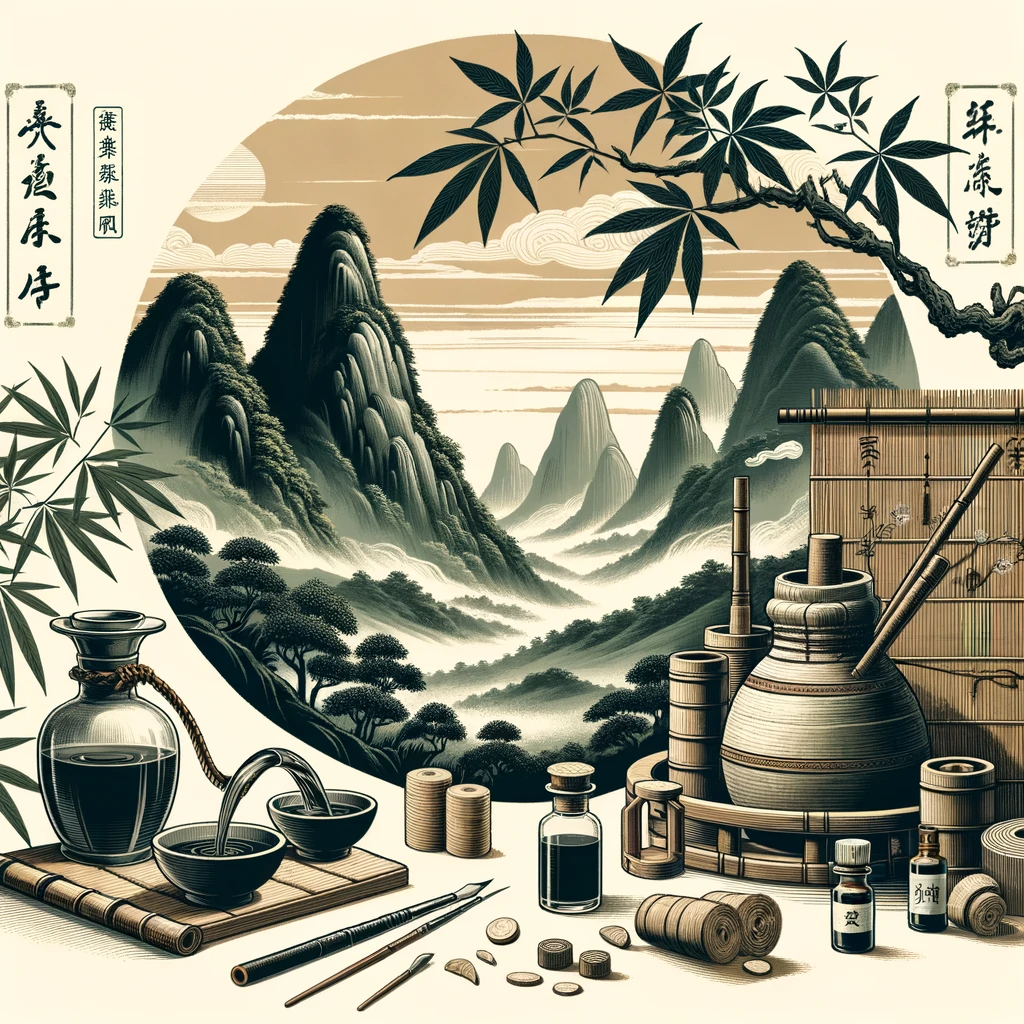
Crafting Ancient Relief: How "Qing Cao Gao" & "Hei Gao" Are Made
"Qing Cao Gao" and "Hei Gao" are unique herbal preparations that blend ancient wisdom with contemporary production techniques.
Key Ingredients: These balms typically feature a blend of powerful botanicals. Common ingredients may include:
- Huang Qin (Scutellaria baicalensis/Skullcap Root): Known for its detoxifying and anti-inflammatory properties.
- Huang Lian (Coptis chinensis/Coptis Root): Another herb valued for its anti-inflammatory and detoxifying effects.
- Gan Cao (Glycyrrhiza uralensis/Licorice Root): Often used to harmonize other herbs and provide anti-inflammatory benefits.
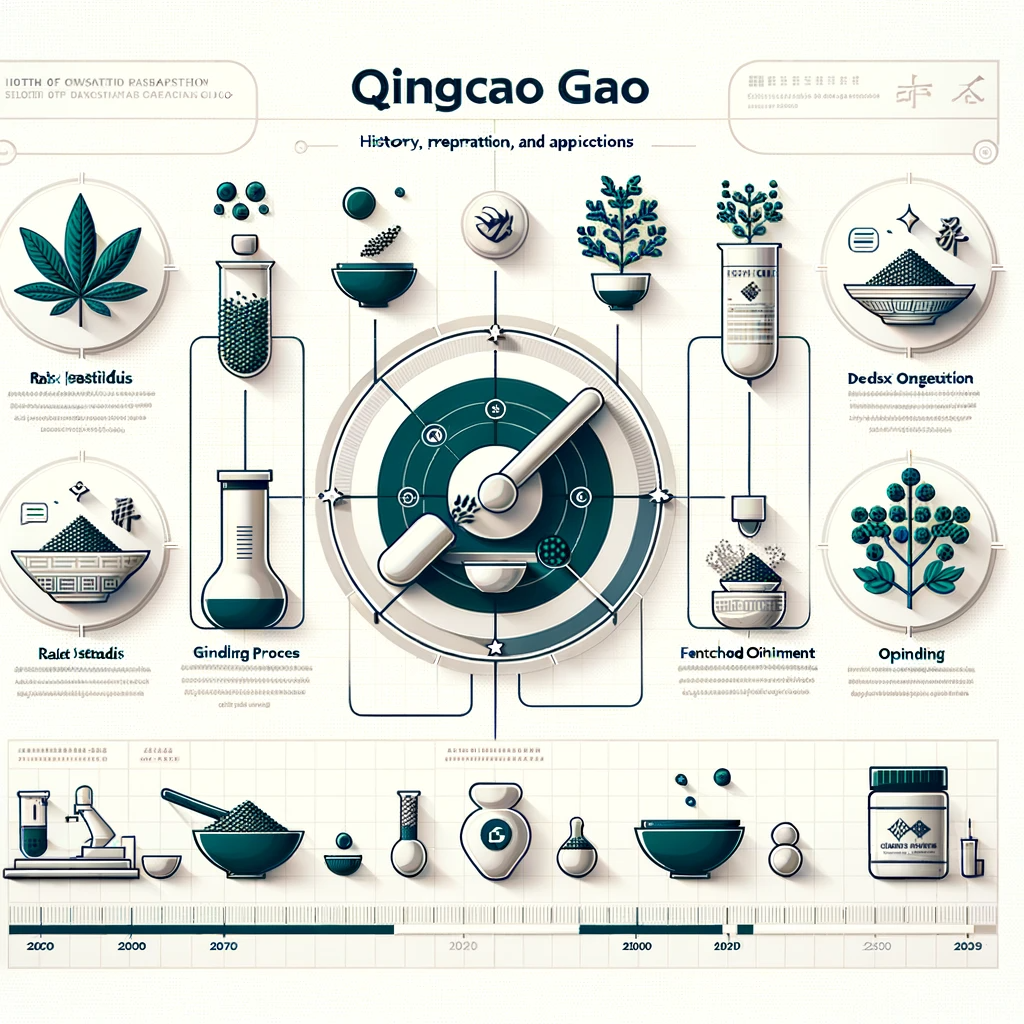
The Production Process (Simplified):
- Careful Selection: High-quality, uncontaminated "Qing Cao" (green herbs) and other select botanicals are chosen.
- Preparation: The herbs are thoroughly cleaned and precisely cut into smaller pieces.
- Slow Extraction: The prepared herbs are placed in large pots with water and gently simmered for several hours. This slow-cooking process is crucial for extracting the beneficial active compounds.
- Purification & Concentration: The liquid is then filtered to remove any herbal residue and further concentrated to achieve the desired consistency and potency.
- Cooling: Finally, the concentrated liquid is cooled to room temperature, forming the finished "Qing Cao Gao" or "Hei Gao."
Quality You Can Trust: Reputable manufacturers adhere to strict quality control and standardization procedures to ensure the safety and effectiveness of these balms. This includes sourcing pure raw materials, maintaining sterile production environments, and often utilizing third-party testing to verify ingredient integrity and product efficacy.
Everyday Relief: Applications & Benefits
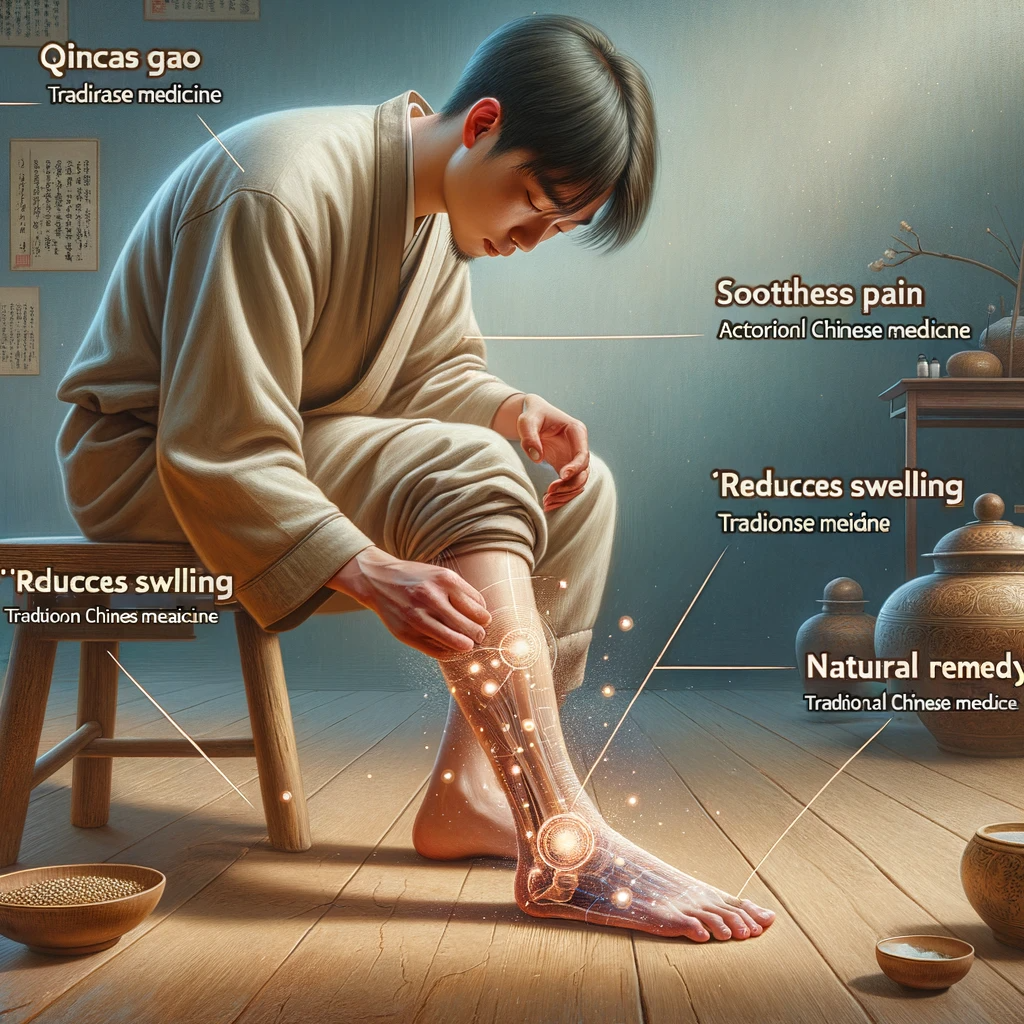
"Qing Cao Gao" and "Hei Gao" are incredibly versatile herbal remedies, particularly beneficial for addressing musculoskeletal discomfort and issues often encountered in daily life, especially as we age.
Understanding When to Use "Qing Cao Gao" & "Hei Gao"
Conclusion: Bridging Ancient Wisdom with Modern Wellness
"Qing Cao Gao" and "Hei Gao" represent a powerful connection between ancient herbal wisdom and contemporary health solutions. These traditional balms offer a safe, effective, and easy-to-use external approach to managing common body aches and discomforts, particularly relevant for the 40+ demographic seeking natural alternatives.
As scientific understanding of these herbs continues to grow, so too will the appreciation for their diverse applications. This ongoing research underscores the modern relevance and global appeal of Traditional Chinese Medicine, making its benefits accessible to a wider audience.
We encourage you to explore the potential of "Qing Cao Gao" and "Hei Gao" as a valuable addition to your self-care routine. Always remember to consult with a healthcare professional for personalized advice, especially if you have underlying health conditions or are taking other medications.
References & Further Reading
For a deeper dive into the science and tradition behind these remarkable herbal remedies, we recommend exploring the following resources:
- Zhang, X., et al. (Year). "The Therapeutic Effects of Radix Isatidis on Certain Diseases: A Comprehensive Review." Journal of Ethnopharmacology. (This reference, while mentioning Radix Isatidis, highlights the type of scientific review that validates herbal benefits.)
- Wang, Y., et al. (Year). "Anti-Inflammatory and Antimicrobial Effects of Qingdai Gao: An Experimental Study." Journal of Herbal Medicine. (This reference provides an example of modern research into the specific properties of a related "Gao" type of preparation.)
- Li Shizhen. "Ben Cao Gang Mu" (Compendium of Materia Medica). (A foundational text in TCM, offering historical insights into herbal uses.)
- "Zhong Hua Ben Cao" (Chinese Herbal Medicine) by various authors. (A comprehensive modern compilation of Chinese herbal knowledge.)
- "Zhong Yao Da Ci Dian" (Encyclopedia of Chinese Herbal Medicine). (Another extensive reference work on traditional Chinese medicinal herbs.)
|
Q1 |
What is the difference between green herbal balm and black herbal ointment? |
|
A |
Both are traditional Taiwanese TCM topical ointments, but they work at different stages and for different types of pain. Green herbal balm (Su Yi An / Qing Cao Gao) contains menthol and cooling herbs — it delivers immediate cooling relief suited for acute sprains, sore muscles, and early-stage recovery. Black herbal ointment (Wei Yi An / Wan Ning Gao) is a concentrated herbal paste with deep-penetrating herbs that work to improve local blood circulation and support tissue repair — better suited for chronic soft tissue conditions, old injuries, and pain that hasn't responded to surface-level treatments. Think of it as: green for cooling down, black for healing deeper. |
|
Q2 |
I have chronic lower back pain that hasn't improved with regular patches. Could black herbal ointment help? |
|
A |
Chronic lower back pain that doesn't respond to cooling patches is one of the most common reasons people try black herbal ointment. Standard patches work by temporarily blocking pain signals or creating a surface sensation — they don't address the underlying tissue condition. Black herbal ointment (Wei Yi An) works differently: its formula is designed to improve local circulation, clear metabolic waste from stagnant tissue, and support repair at depth. It's not an instant fix — most people notice improvement after 2–4 weeks of consistent daily use. Combine with stretching or physical therapy for better results. Free pharmacist consultation available before purchase to confirm suitability. |
|
Q3 |
How does TCM herbal balm work? Is there any science behind it? |
|
A |
TCM herbal balms work through two mechanisms: the individual pharmacological properties of each herb, and their combined synergistic effect. Herbs like Angelica sinensis, Myrrh, and Dragon's Blood Resin have documented anti-inflammatory and circulation-improving properties. Applied topically, they penetrate the skin and work locally without systemic processing. Modern research increasingly validates what TCM practitioners have observed for centuries — that these multi-herb formulas support tissue repair in ways that single-compound analgesics don't. They're not replacing mainstream medicine; they're addressing a different aspect of the healing process. Taiwan's pharmaceutical GMP standards ensure consistent, verified quality. |
|
Q4 |
Which one should I try first — green balm or black ointment? |
|
A |
It depends on your situation. Start with green herbal balm (Su Yi An) if: your pain is relatively recent (days to weeks), you want immediate cooling comfort, or your condition involves muscle soreness from exercise or a sprain in recovery. Choose black herbal ointment (Wei Yi An) if: your pain has been ongoing for months, regular patches have stopped being effective, or you have a deep tendon or joint condition like tennis elbow, frozen shoulder, or chronic back pain. Not sure? Contact our pharmacist for a free consultation — describe your condition and they will help you decide. |
|
Q5 |
Are these products available in the US? How do I order? |
|
A |
Yes — TAIYUN Pharmaceutical ships internationally to the United States, Malaysia, Singapore, and other countries. Due to Taiwan pharmaceutical regulations, products are not sold through online retail platforms (no Amazon listings). Contact our pharmacist directly via WhatsApp: https://wa.me/message/IOR3XAXSPBKIA1 or Line: @typhd. We provide a free pre-purchase consultation to confirm the right product for your condition and advise on correct use. |
|
Q6 |
Is it safe to use these herbal balms alongside my regular medications? |
|
A |
Both Su Yi An and Wei Yi An are external topical ointments — they are absorbed locally through the skin and are not processed through the digestive system. Direct interactions with oral medications are generally unlikely. However, if you are on anticoagulants (blood thinners) or have significant medical conditions, we strongly recommend consulting with our pharmacist before use. Our pre-purchase consultation is completely free — contact us via WhatsApp and describe your medications and health situation for personalised guidance. |
|
Q7 |
What makes Taiwan-made TCM ointment different from products sold on Amazon? |
|
A |
Most TCM products on Amazon are classified as cosmetics or general wellness products — they don't require the same level of regulatory scrutiny as pharmaceutical products. TAIYUN's Wei Yi An and Su Yi An are licensed pharmaceutical products in Taiwan, manufactured under GMP (Good Manufacturing Practice) standards with: government-issued approval numbers, complete ingredient disclosure, batch-by-batch quality testing, and pharmacist supervision. This level of regulation and transparency is significantly higher than most herbal products available on general e-commerce platforms. |
|
Q8 |
How do I apply these herbal balms correctly? |
|
A |
For both Su Yi An (green balm) and Wei Yi An (black ointment), the recommended method for best results is patch application rather than direct rubbing: spread a coin-sized amount onto non-woven fabric leaving a 1cm border on all edges, cover with a layer of gauze, apply to the affected area, and secure with medical tape. Leave on for 4–8 hours and replace daily. For first-time use, perform a 24-hour patch test on the inner wrist. Do not apply to broken skin, open wounds, or active eczema. |
About the Author — TAIYUN Pharmaceutical, Pharmacist Supervised
This article is written and reviewed by TAIYUN Pharmaceutical Co., Ltd., a Taiwan-based company specializing in traditional TCM topical ointments. All products are pharmacist supervised, Made in Taiwan, GMP-certified, with complete ingredient disclosure. Free pharmacist consultation before purchase.
■ Free Pre-Purchase Pharmacist Consultation
WhatsApp: Click to consult | Line: Click to consult | Tel: +886-37-867197
